

Mondial du Quad

The flagship race of the 72 Hours of Pont-de-Vaux
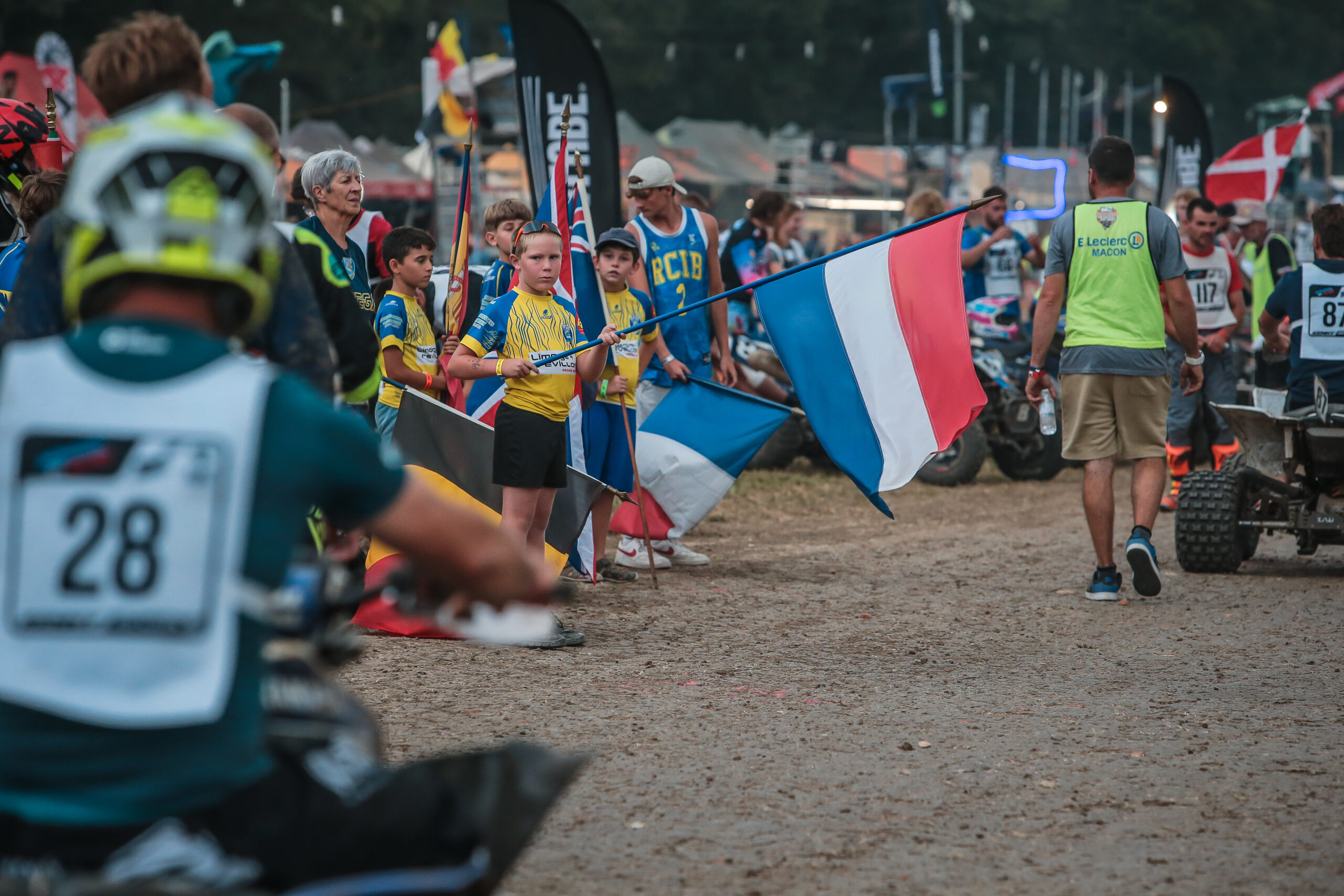
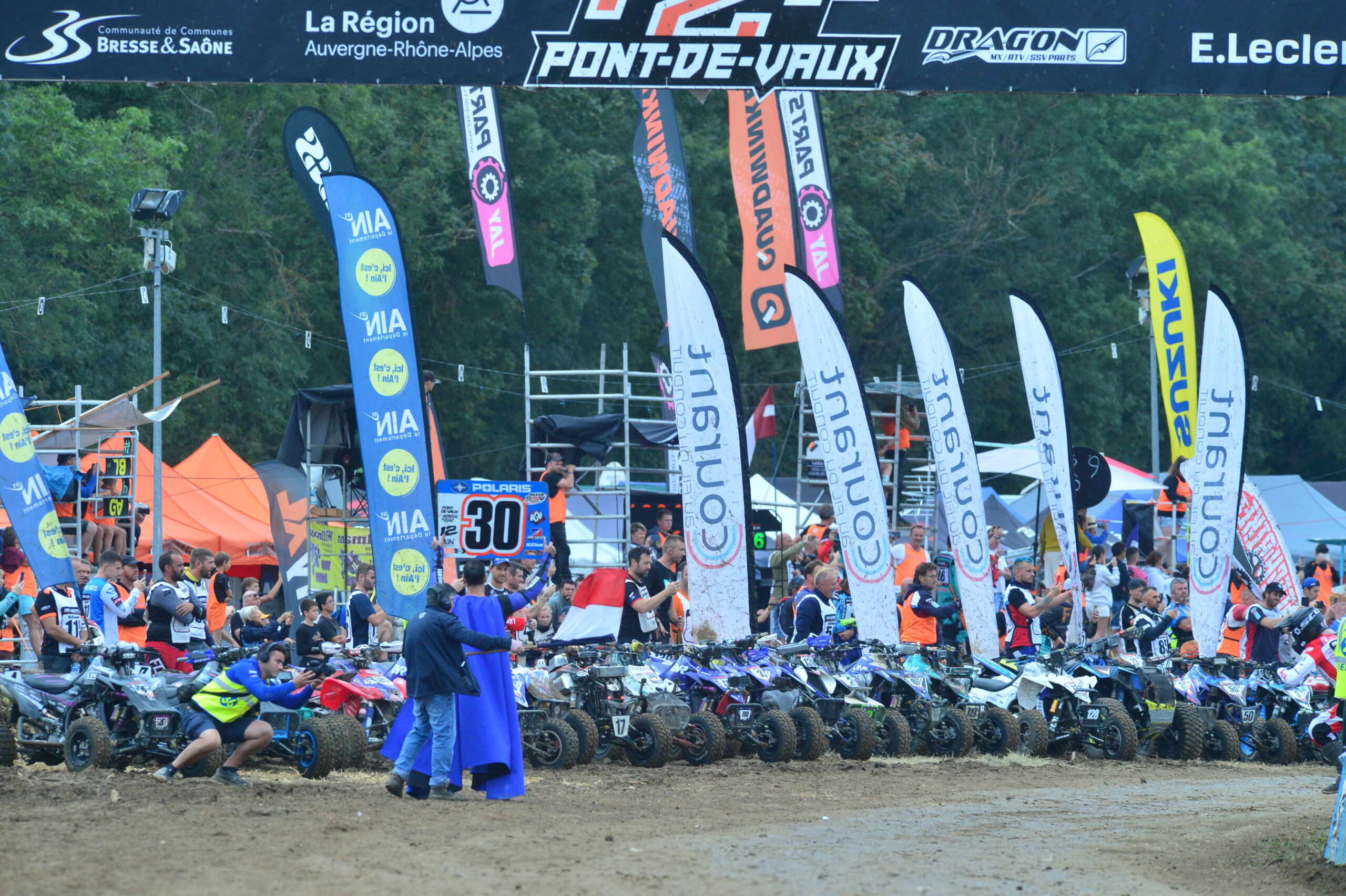
This endurance race, which has become legendary over the past 39 years, can accommodate up to 117 teams consisting of two or three drivers, representing twenty nations and eight manufacturers.
Based on endurance racing rules, the Mondial du Quad (also known as the 12 Hours of Pont-de-Vaux) is divided into three races of varying durations: 3:00, 5:00, and 4:00.
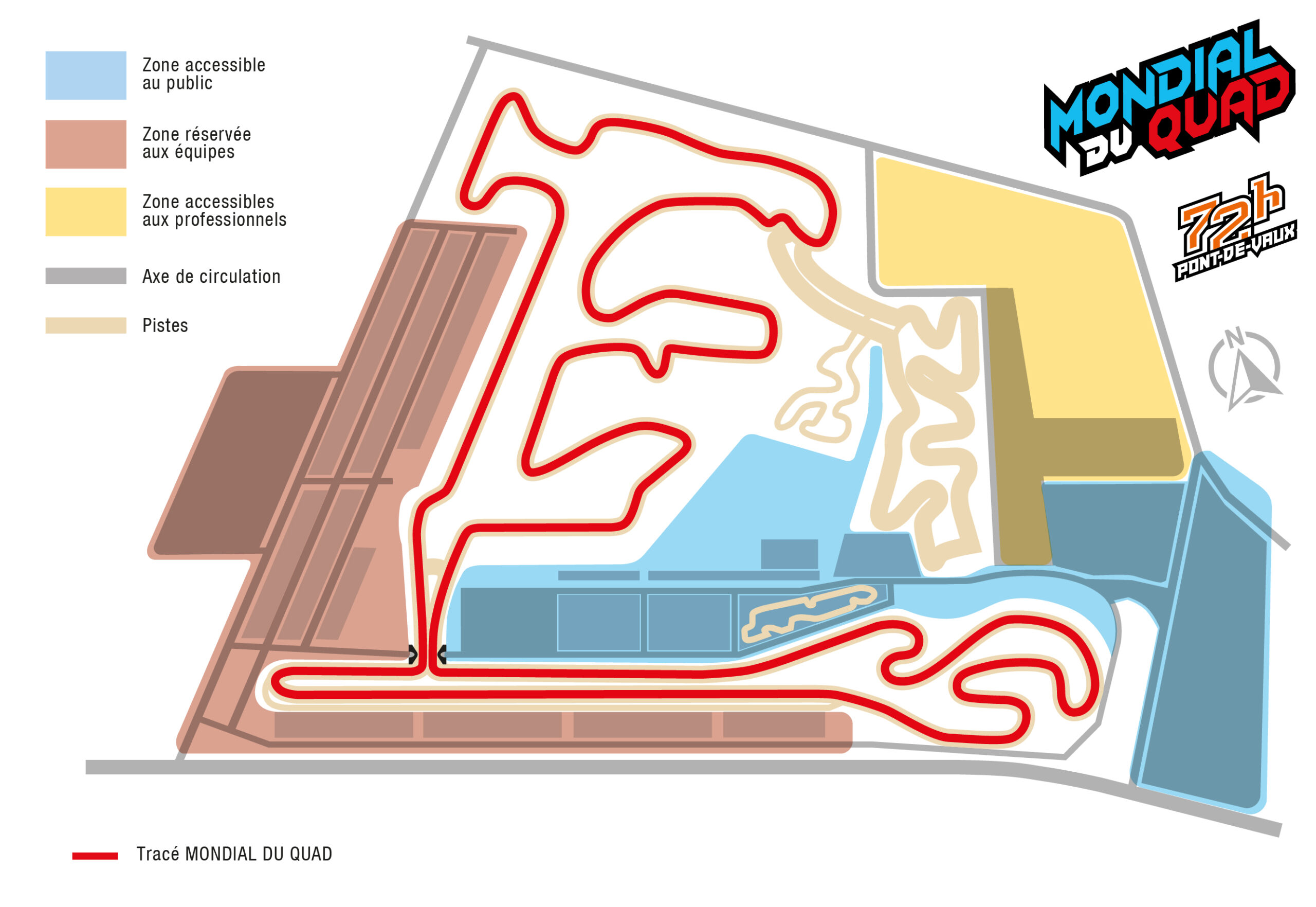
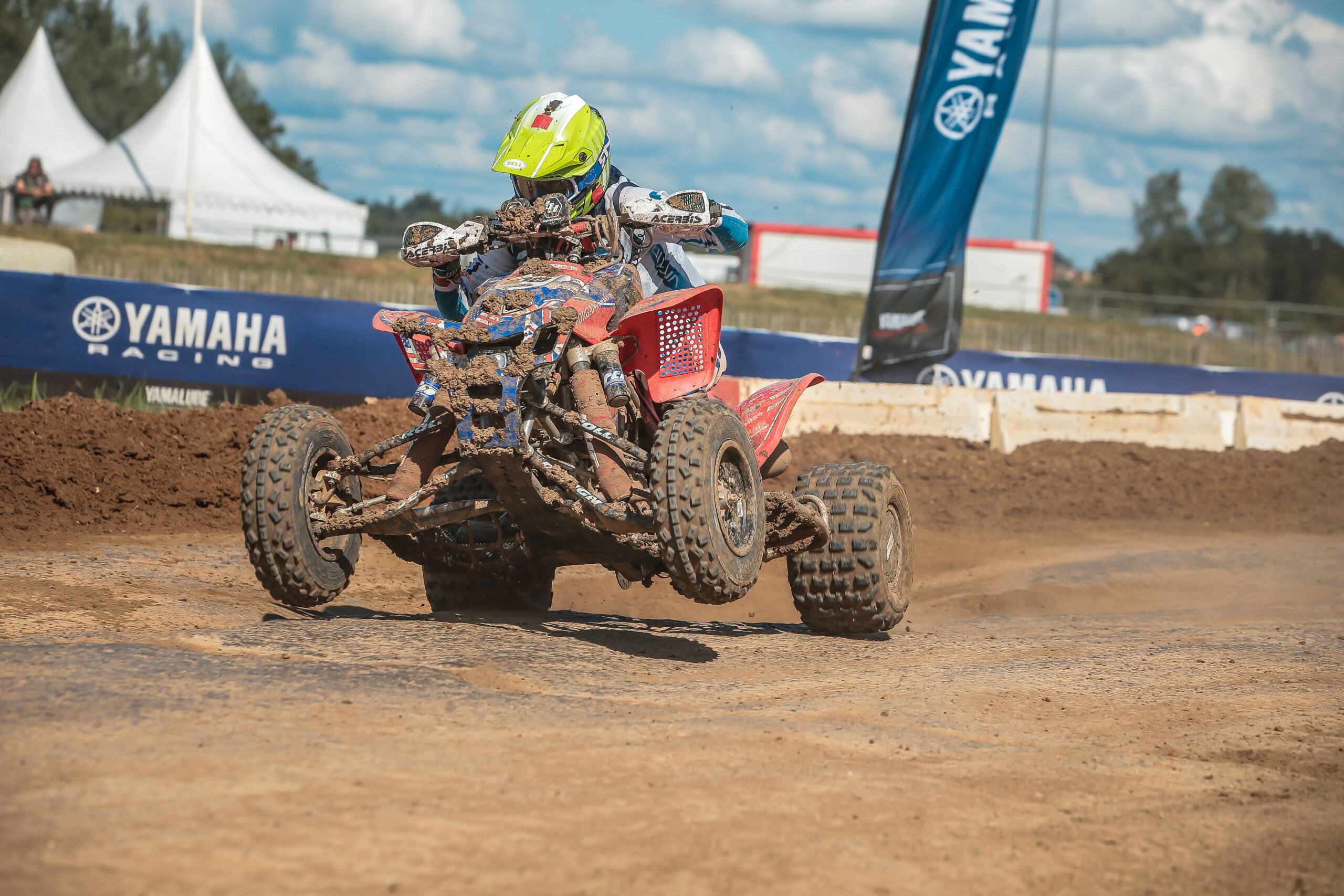
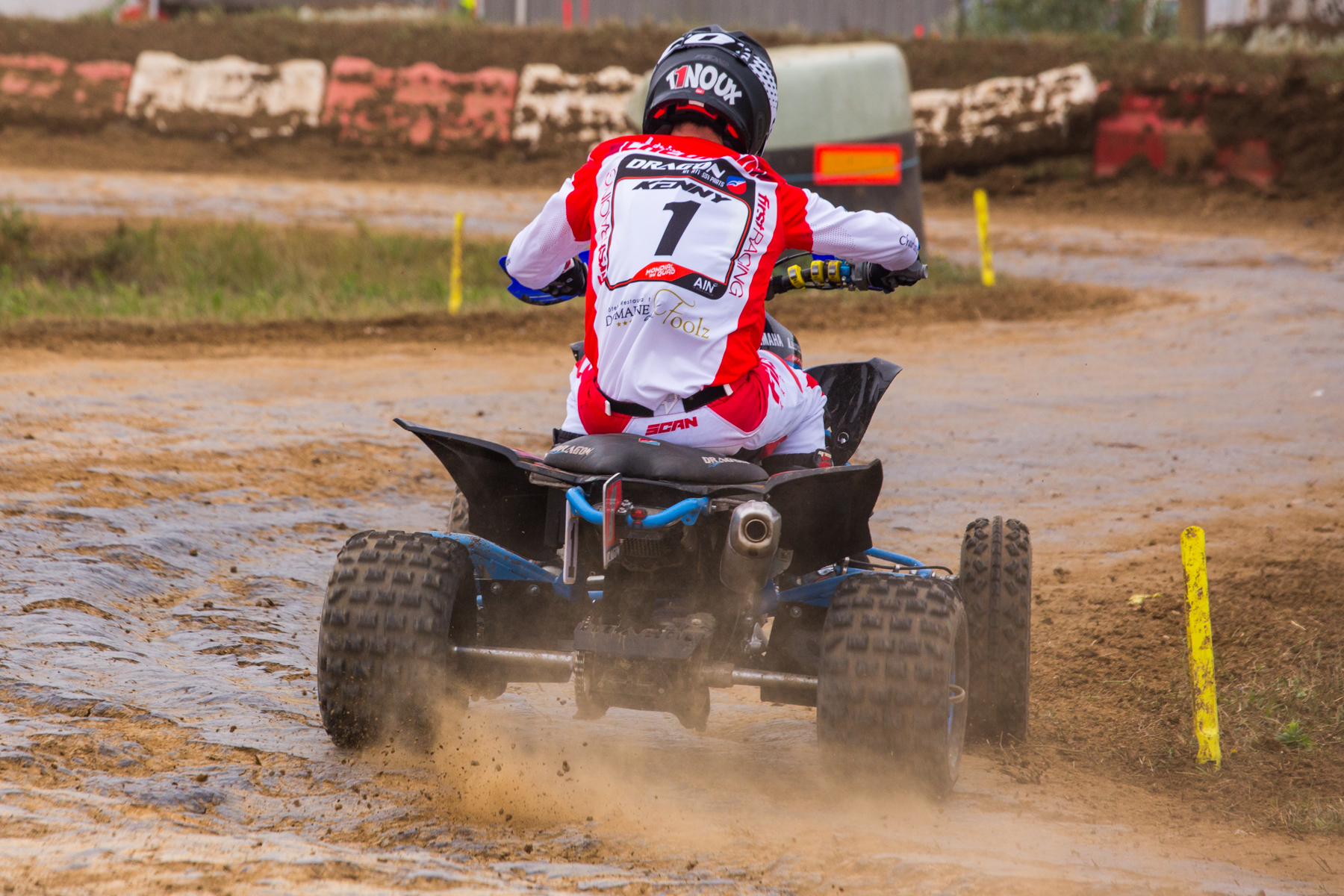
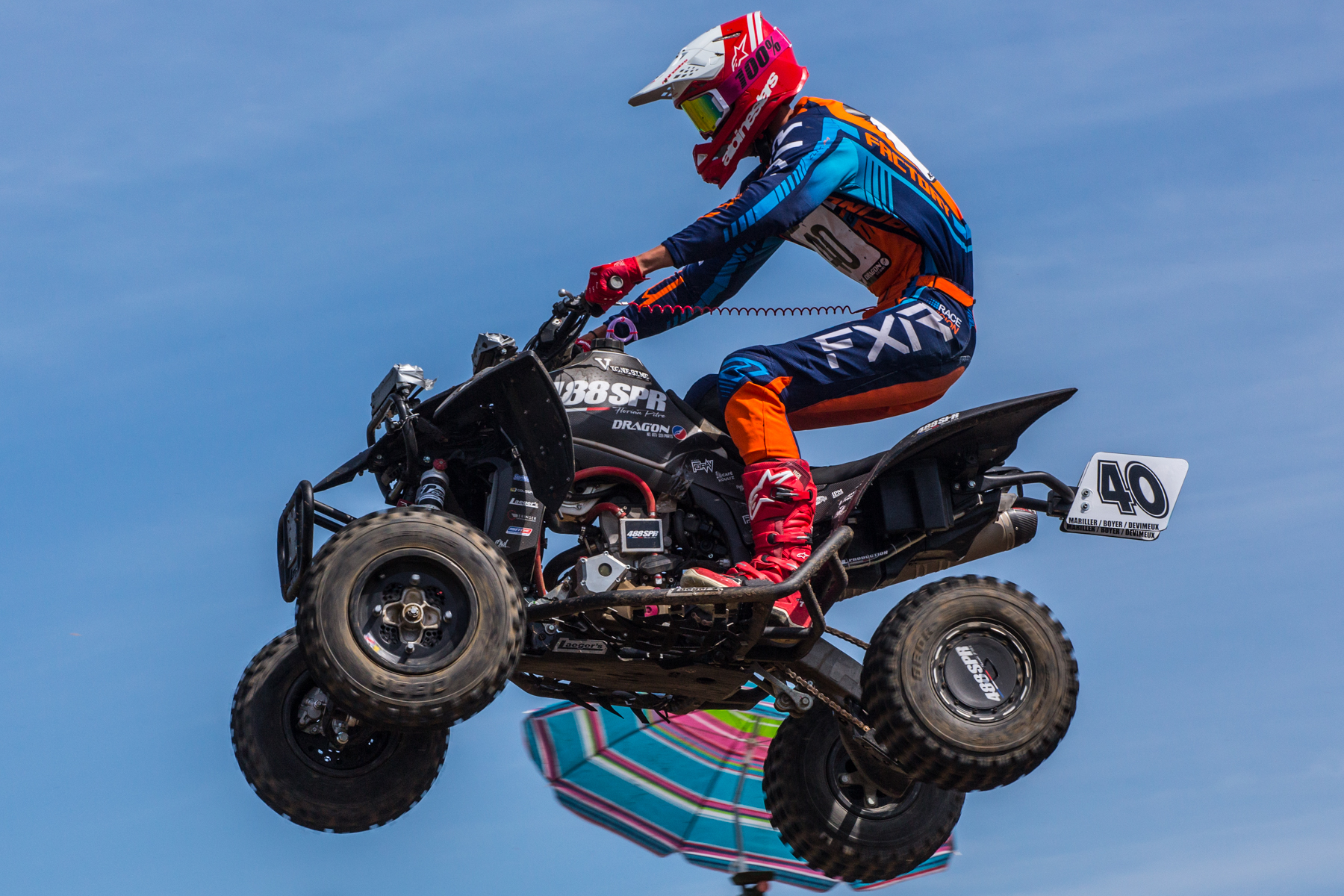
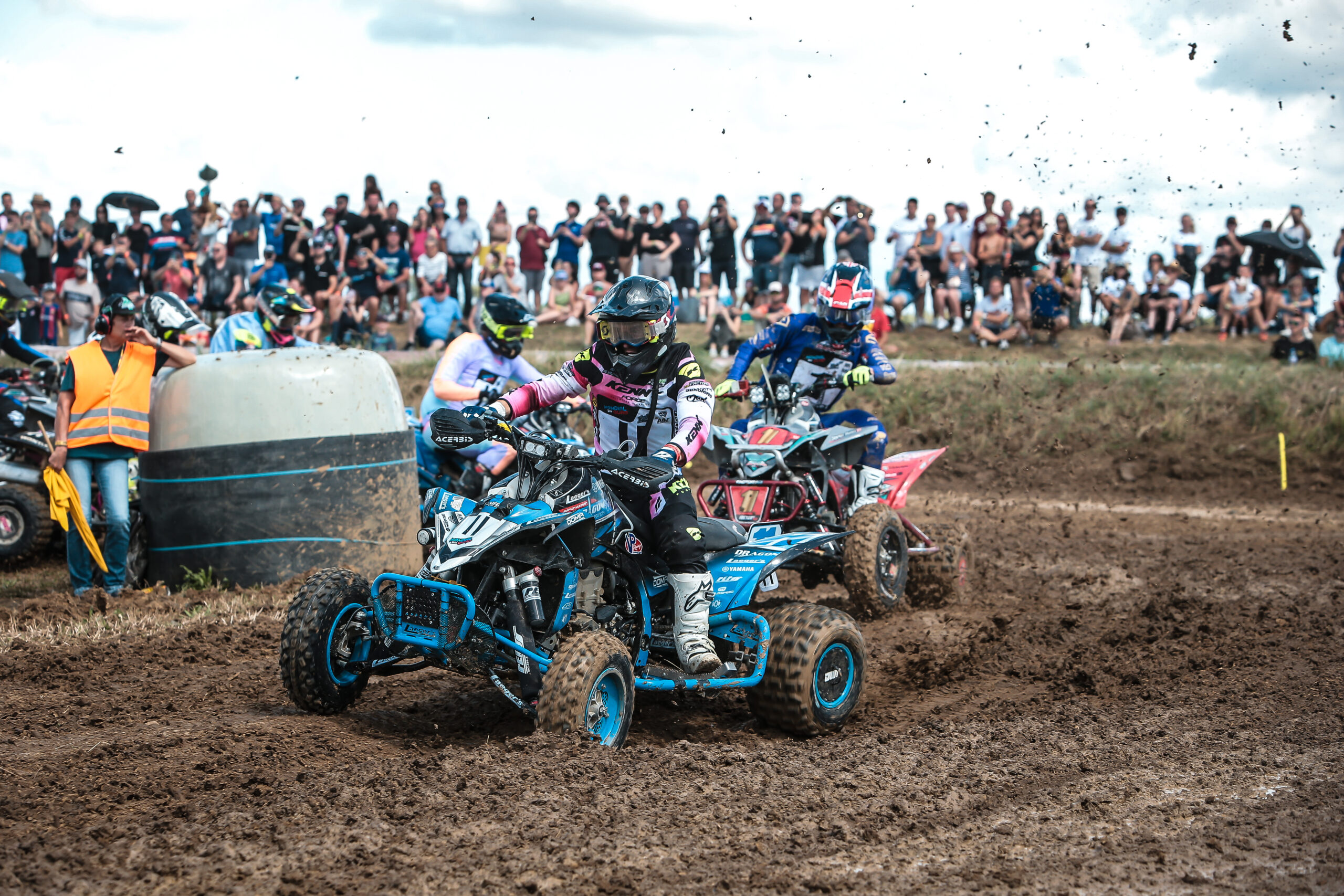
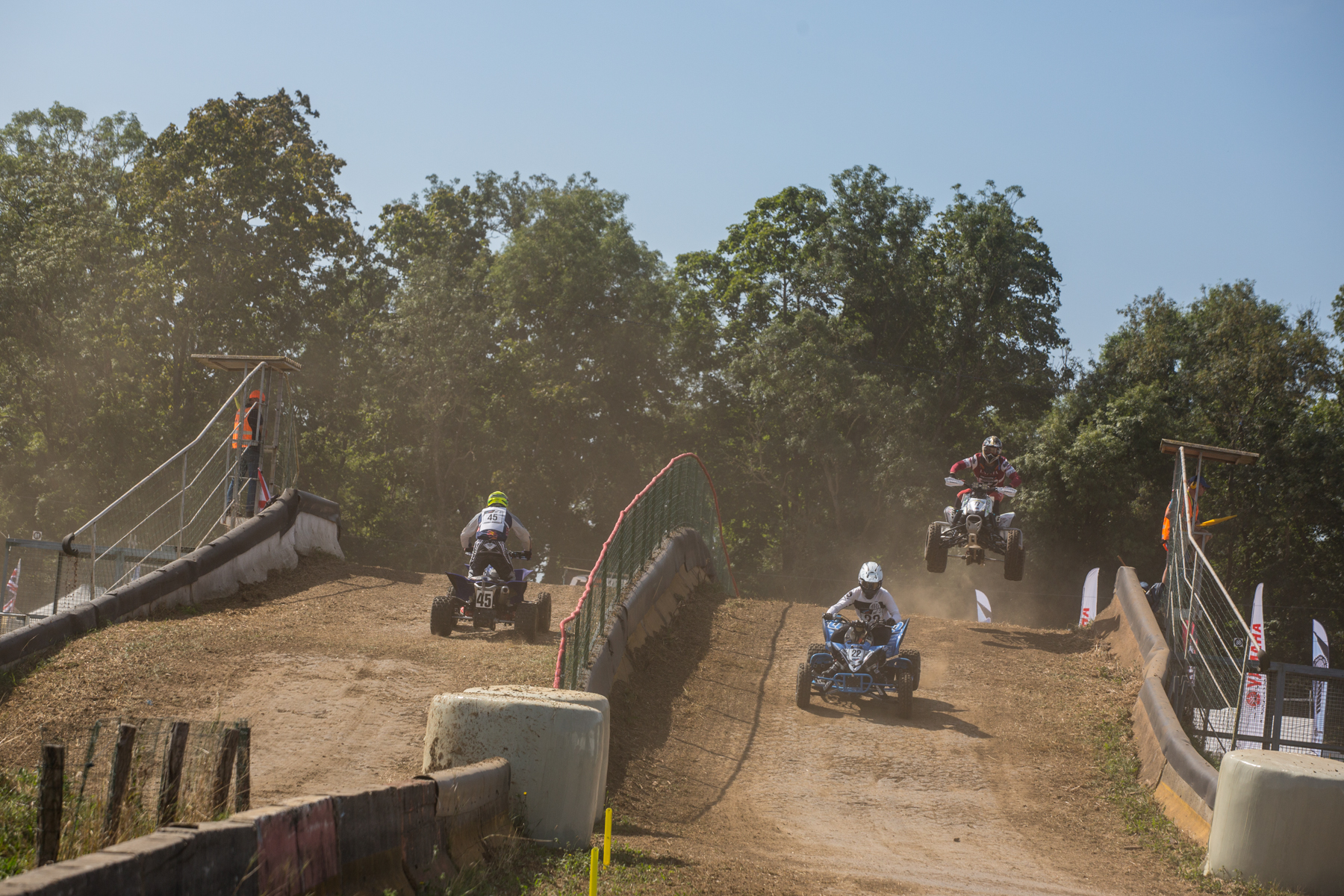
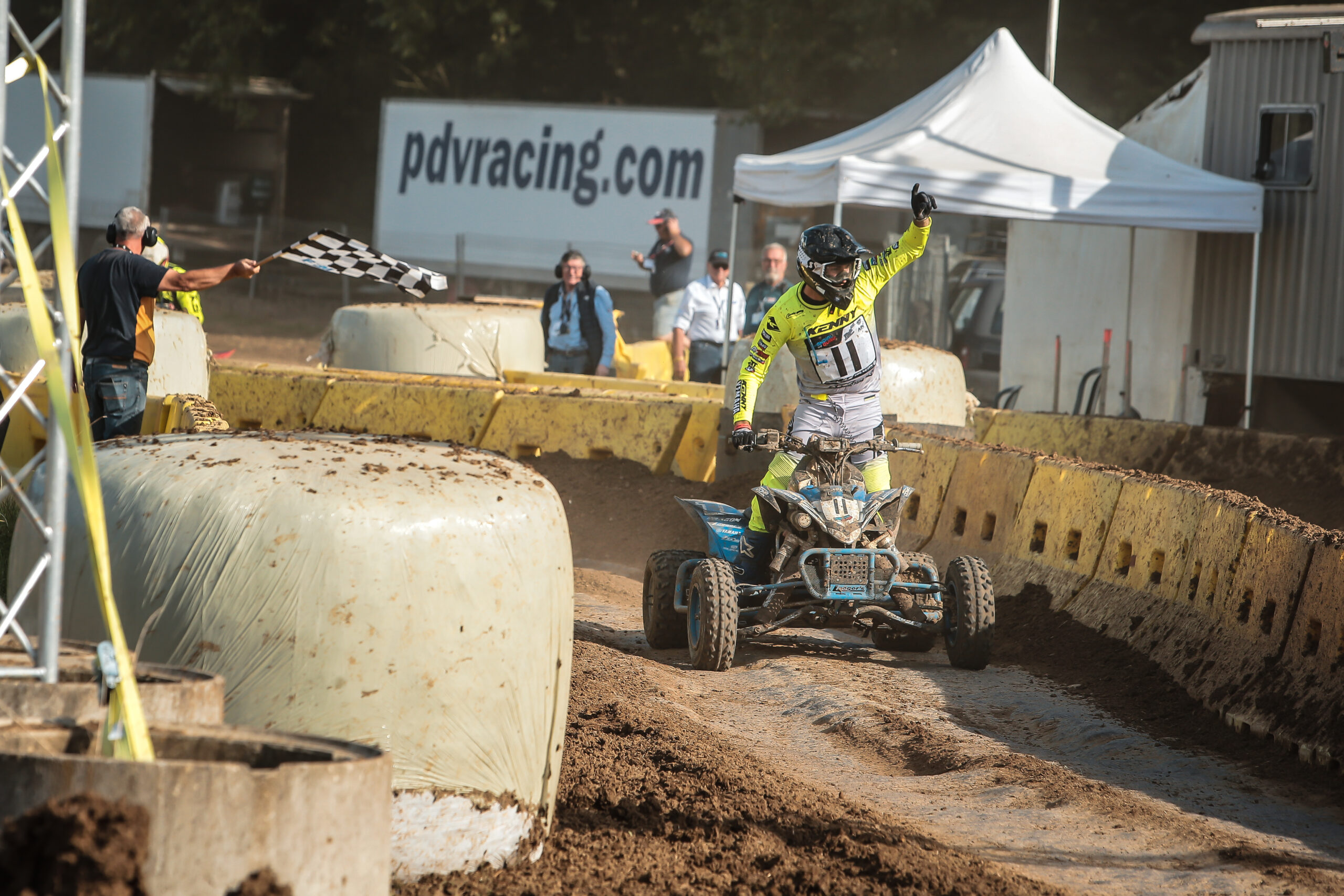
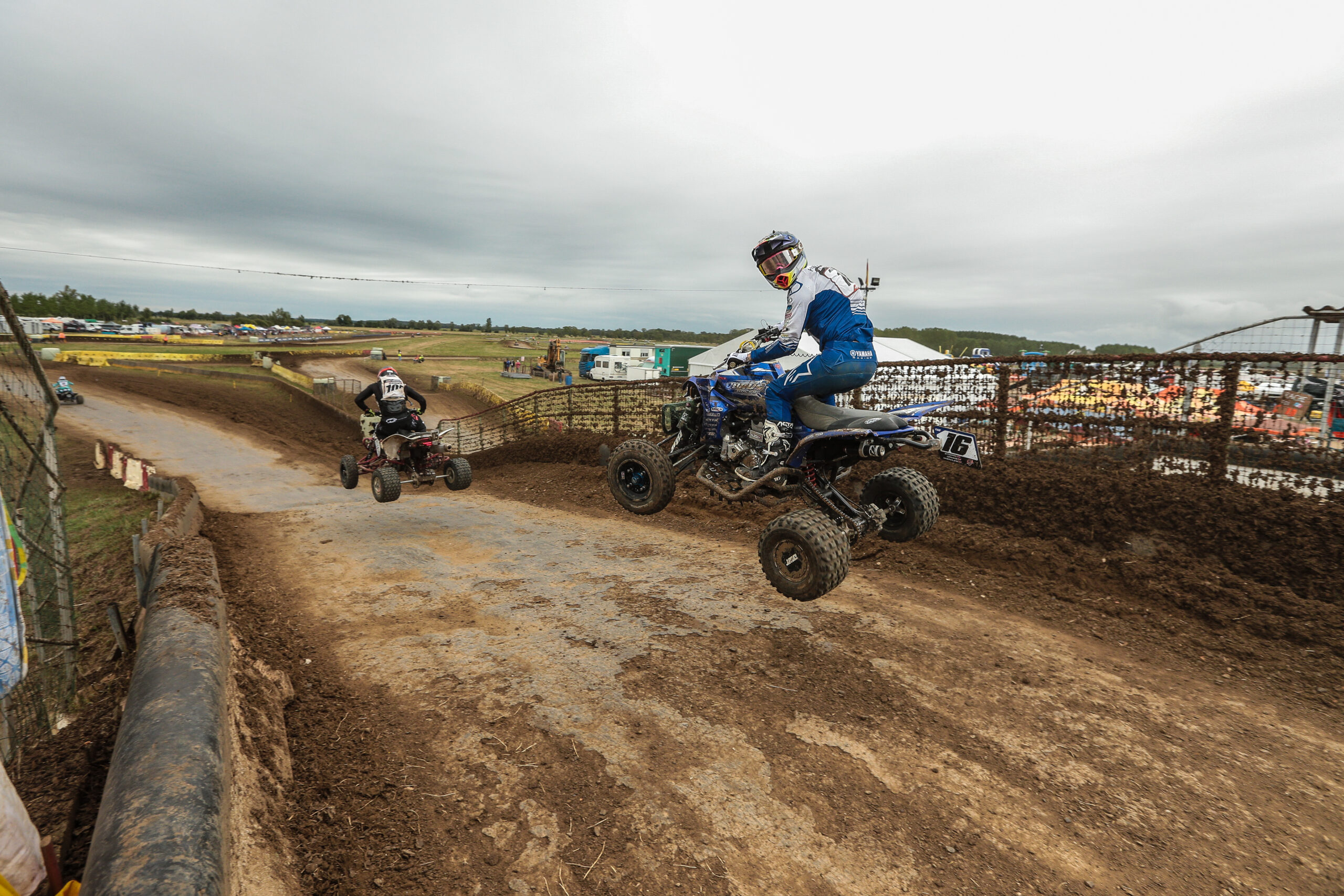
The course runs along a 4.7-kilometer track and is known for being very fast, featuring a variety of terrain, including jumps and tables. Overtaking is possible along most of the track due to its width.
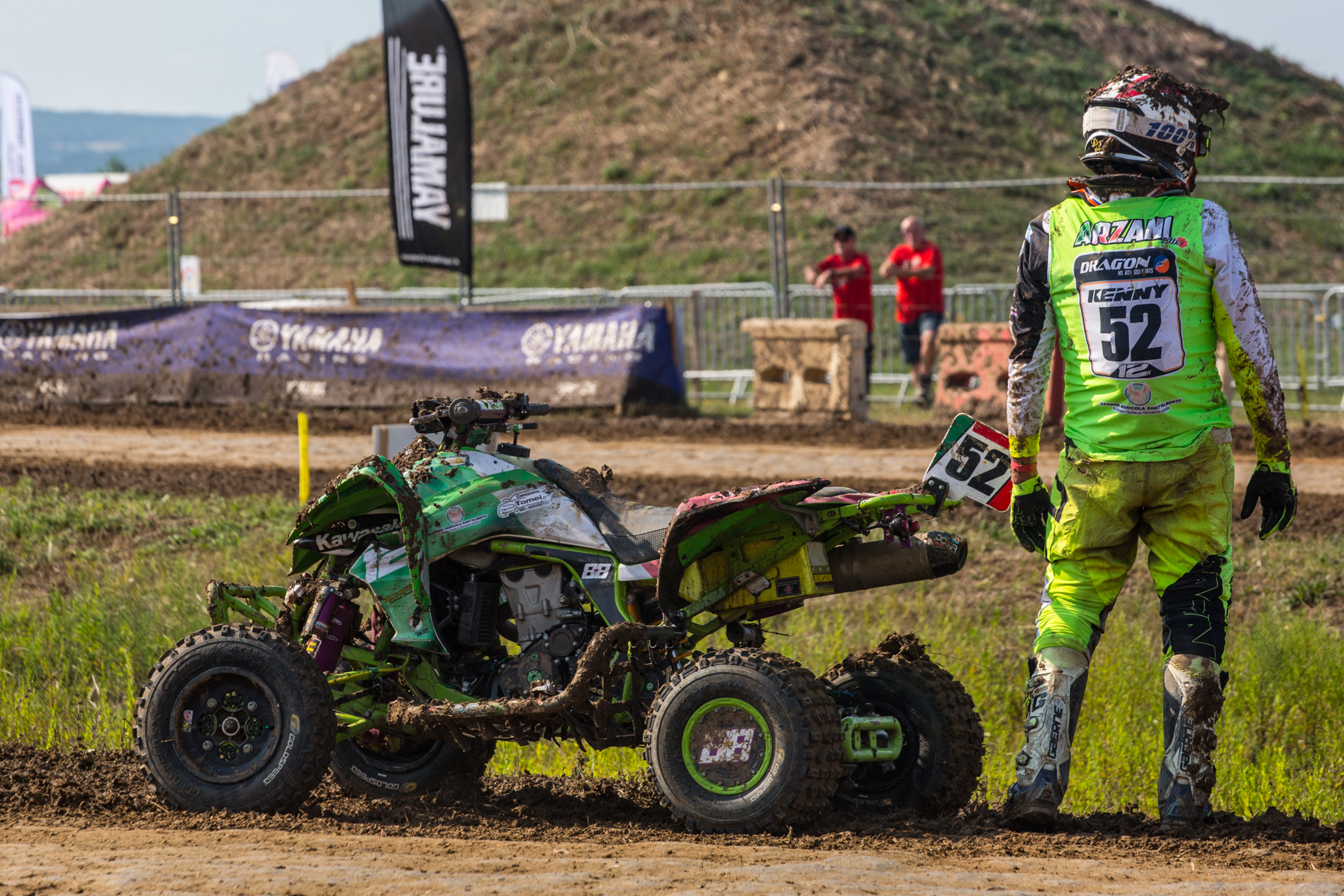
With the performance levels of both drivers and machines constantly rising, this endurance race can feel like a long sprint that demands sustained focus from the drivers and constant effort. It’s clearly not a race where you can sit back and wait; you have to fight off fatigue in order to come out on top, sometimes at the very last moment.
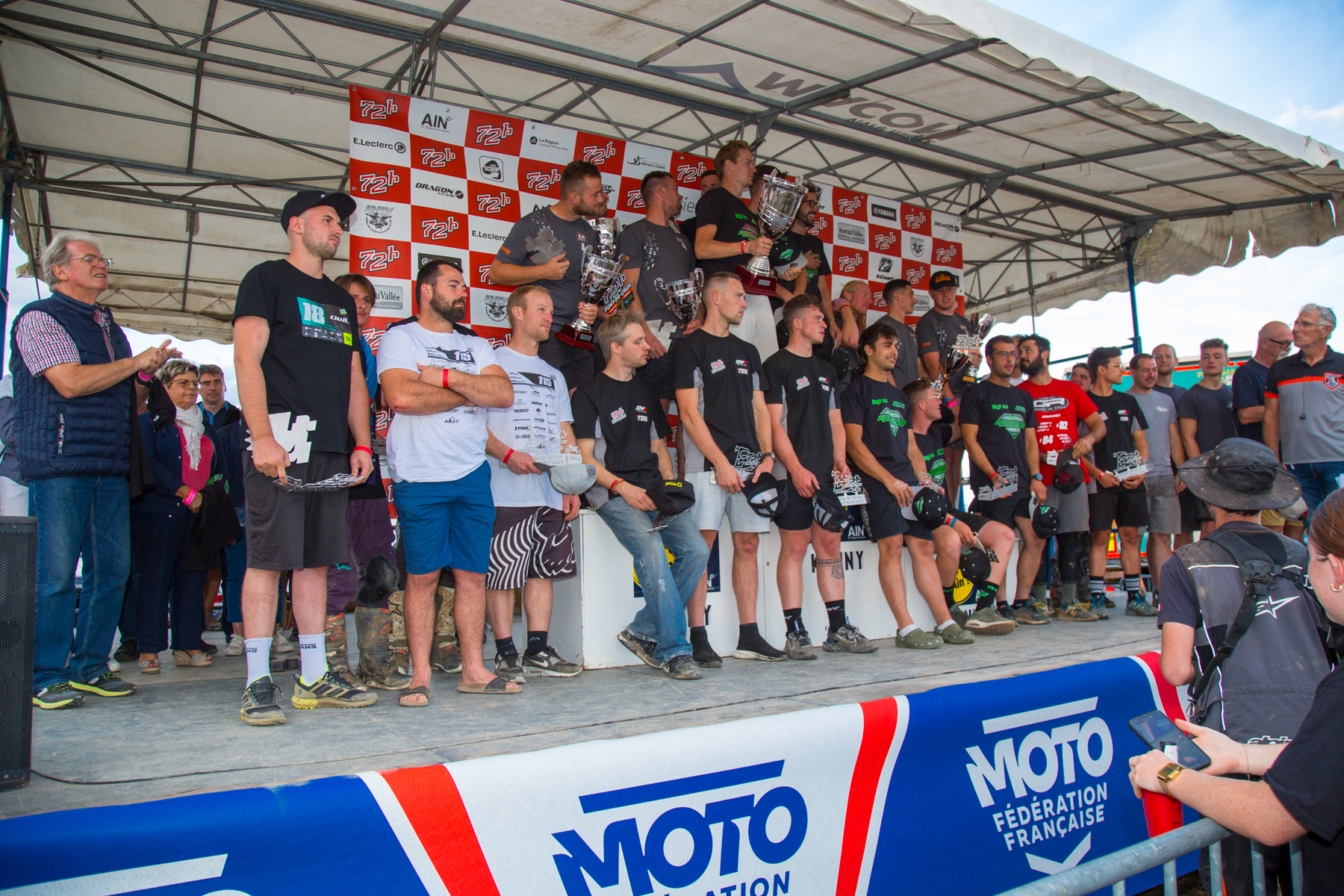
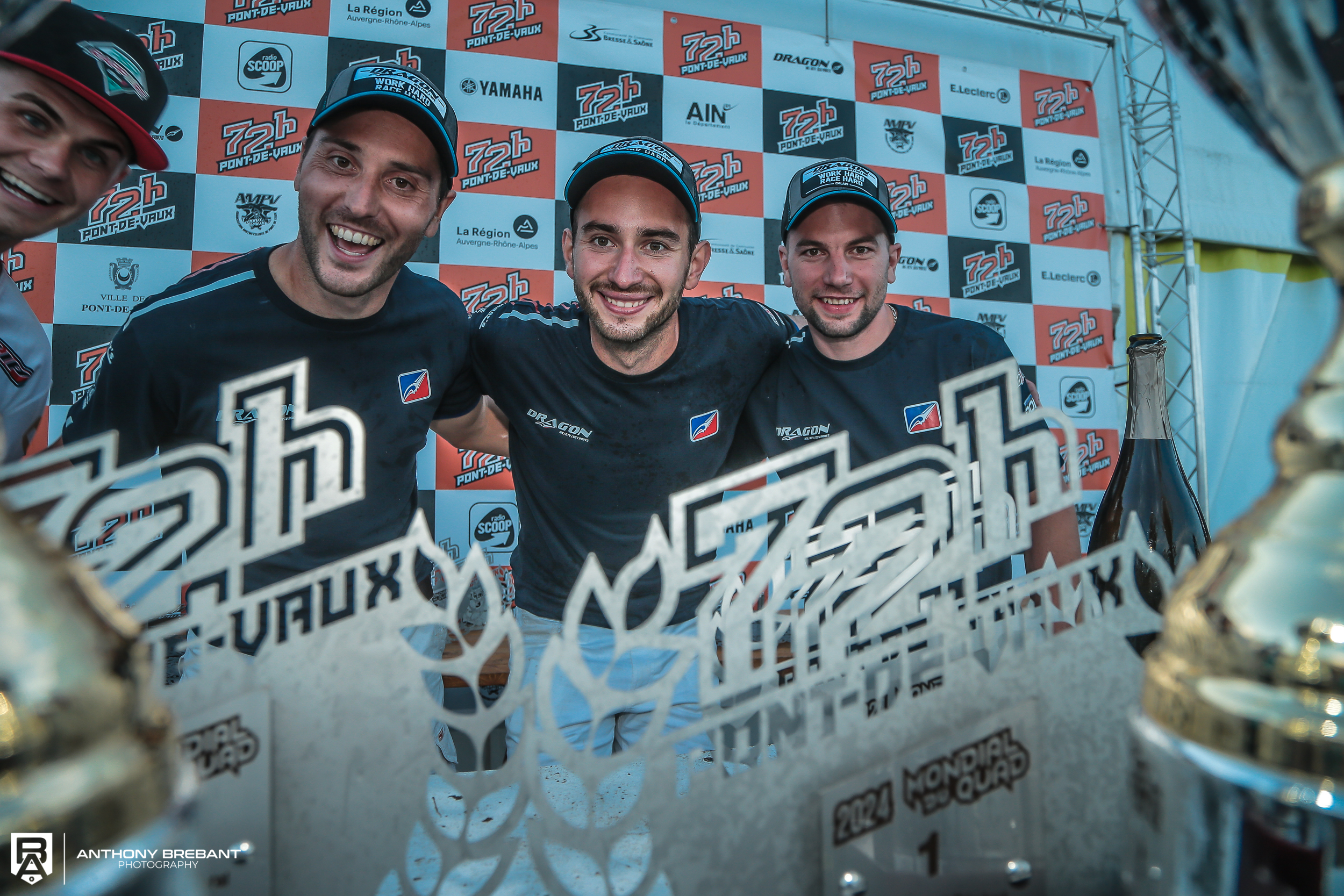
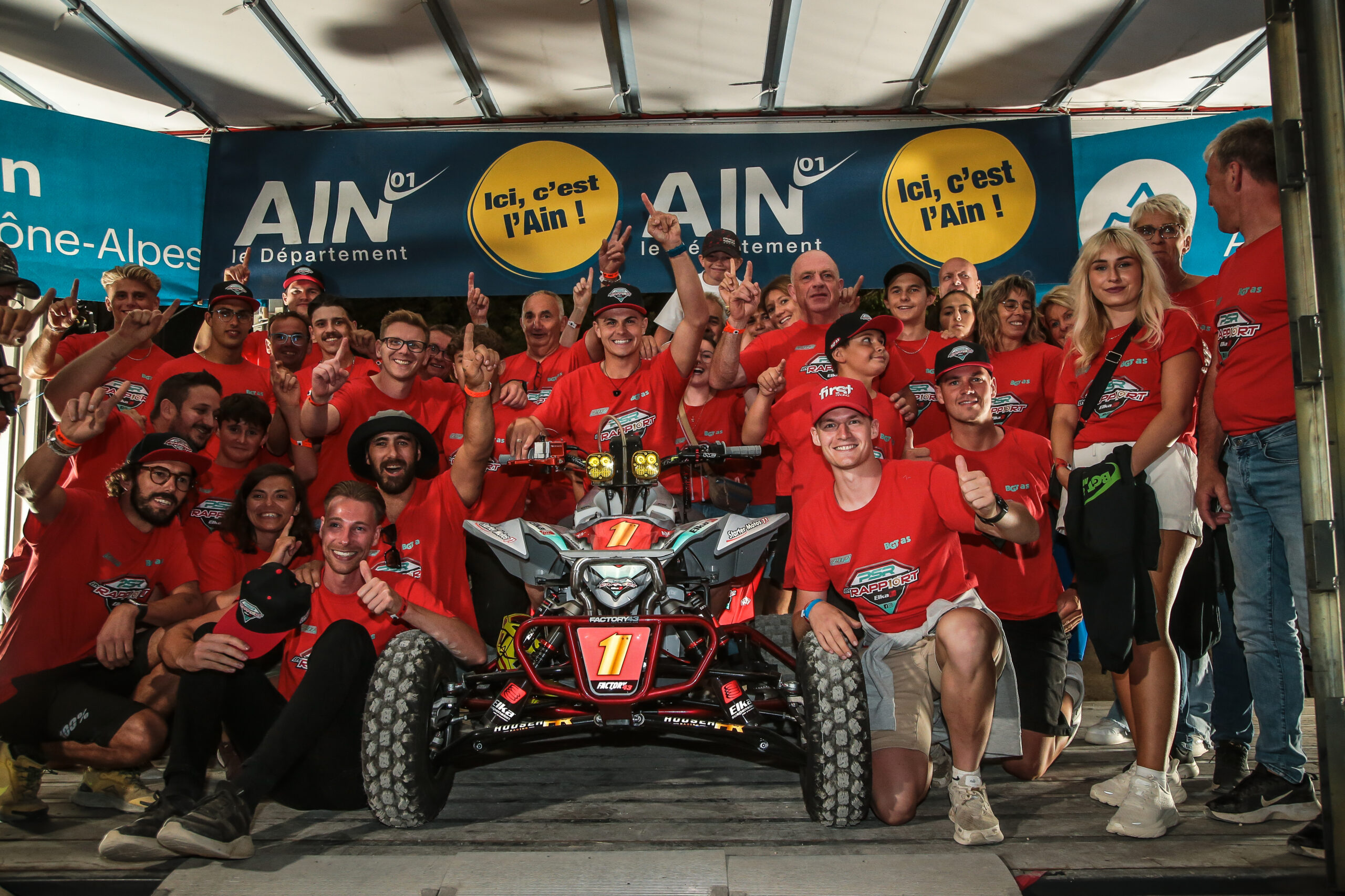
That’s right, and every year it’s proven: the podium is decided by a matter of seconds.
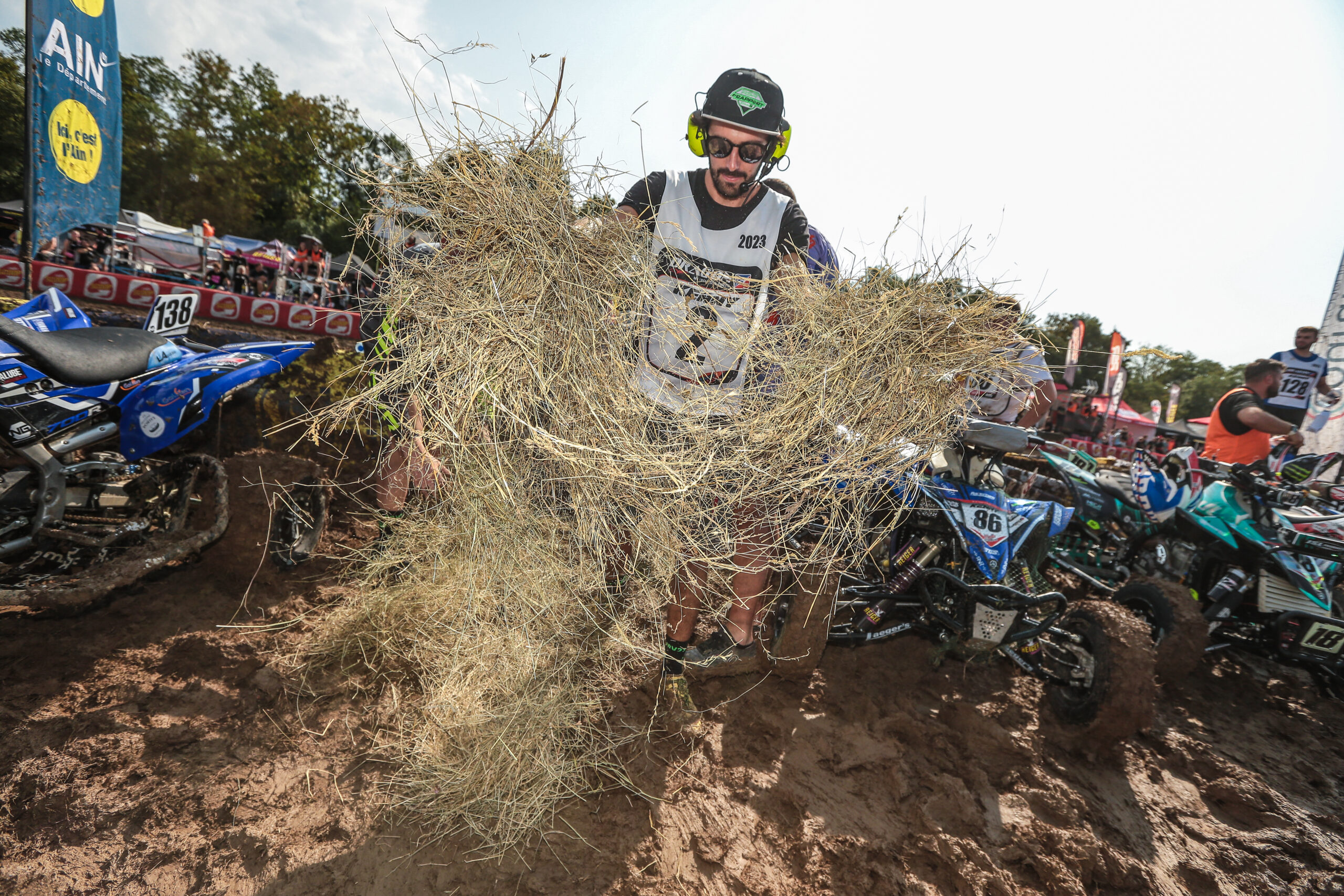
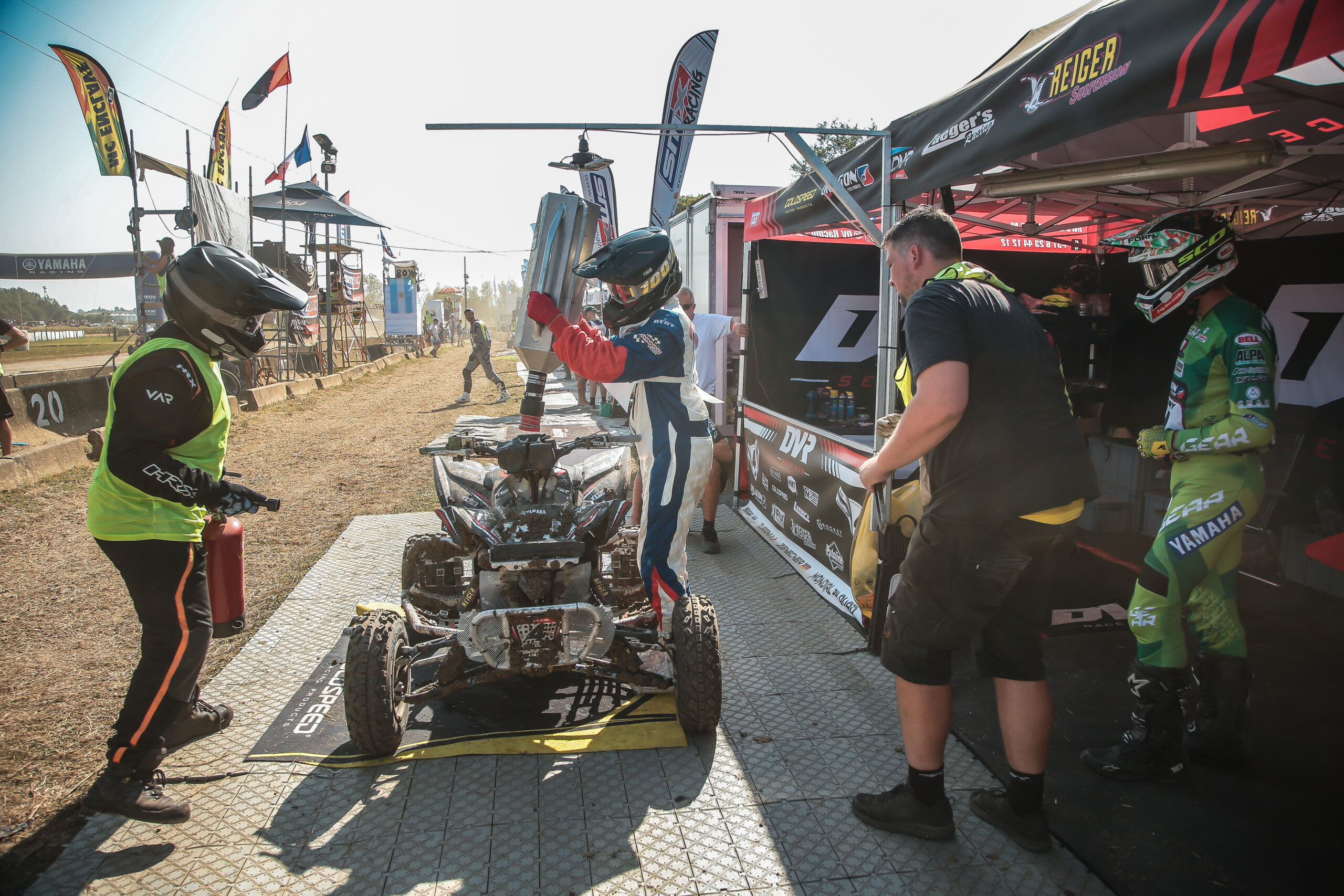
Far from being improvisational—except when dealing with the unexpected, which is bound to happen—the teams must plan their strategy both before and during the race, calculate fuel consumption to optimize pit stops for refueling and driver changes at the best possible times
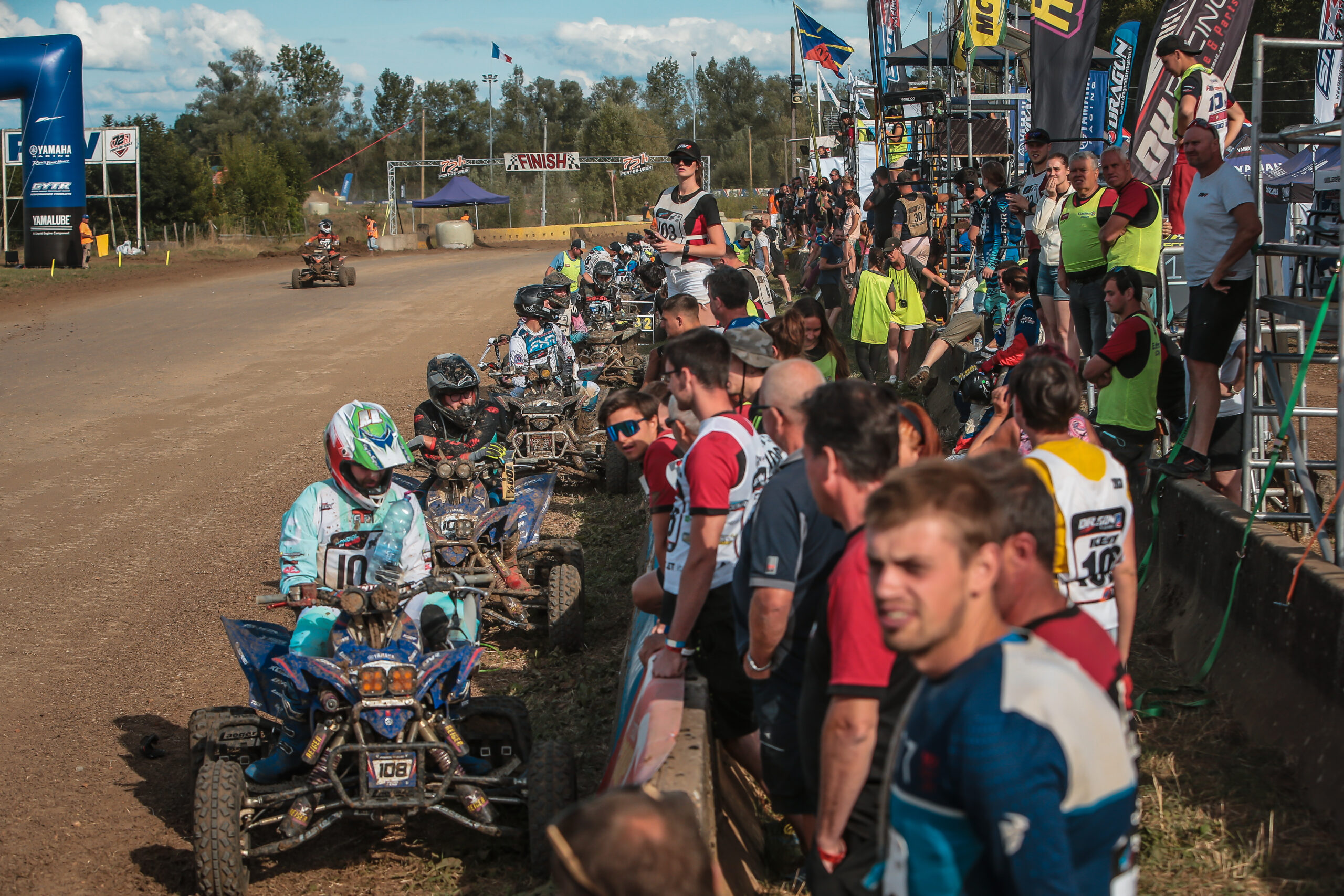
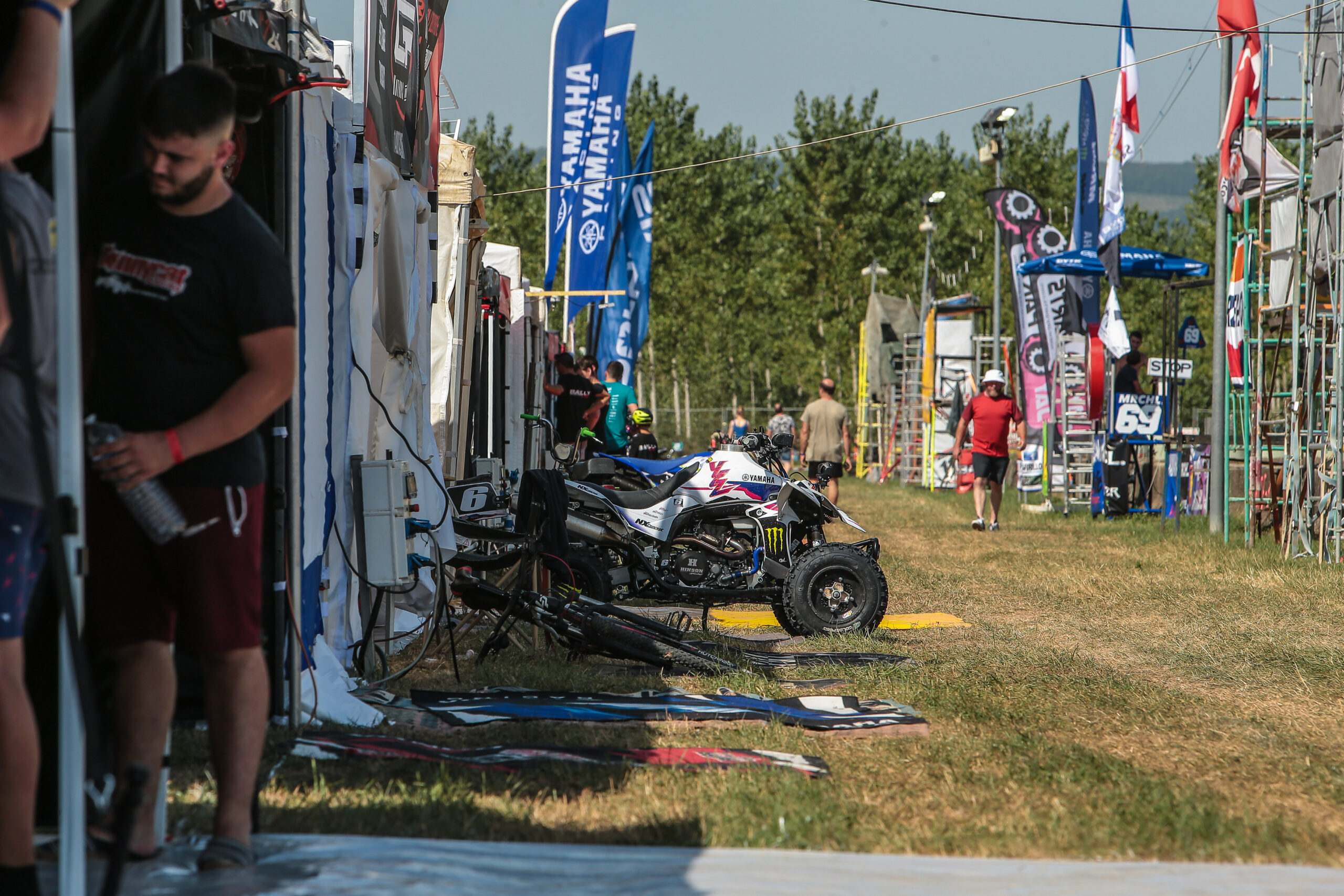
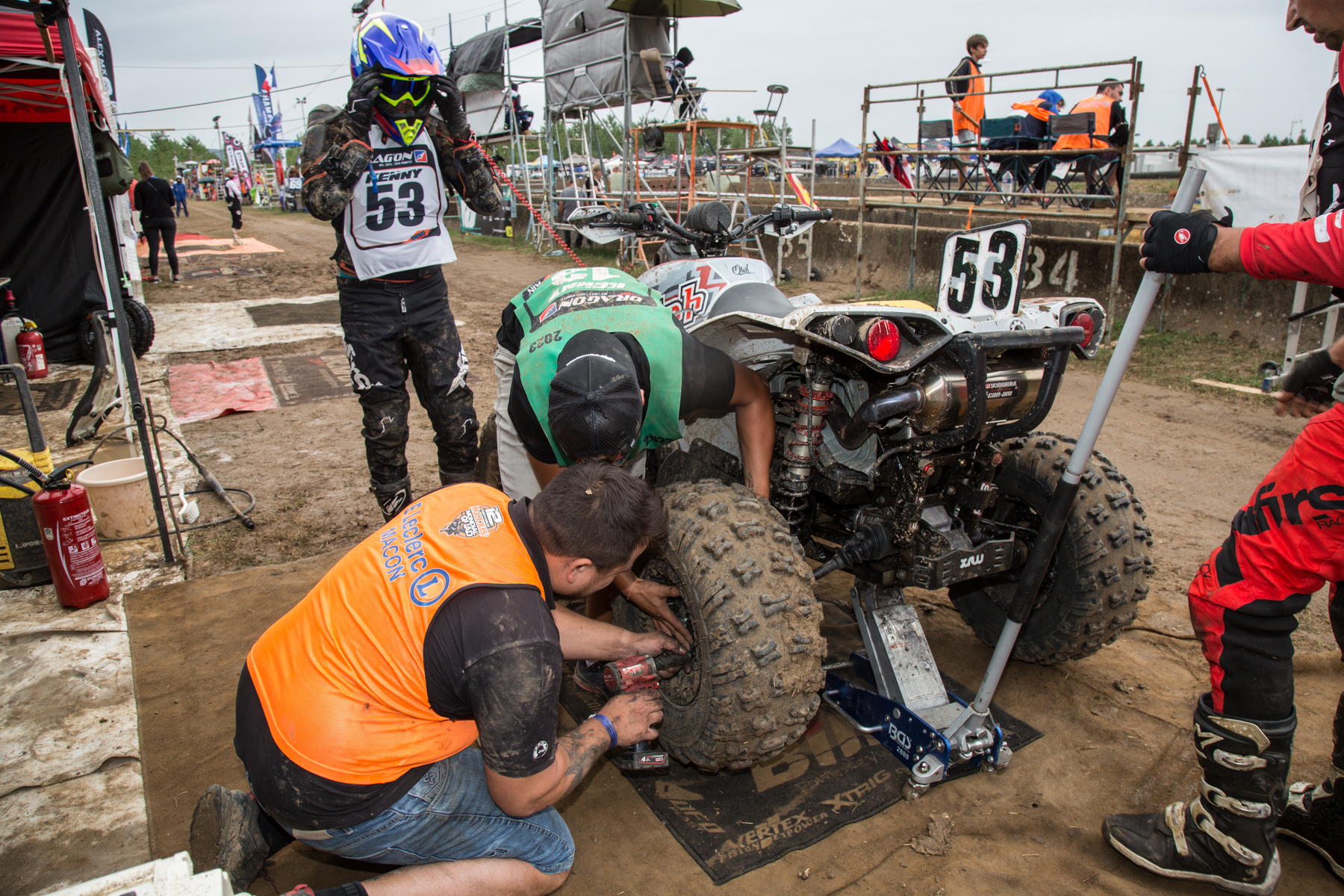
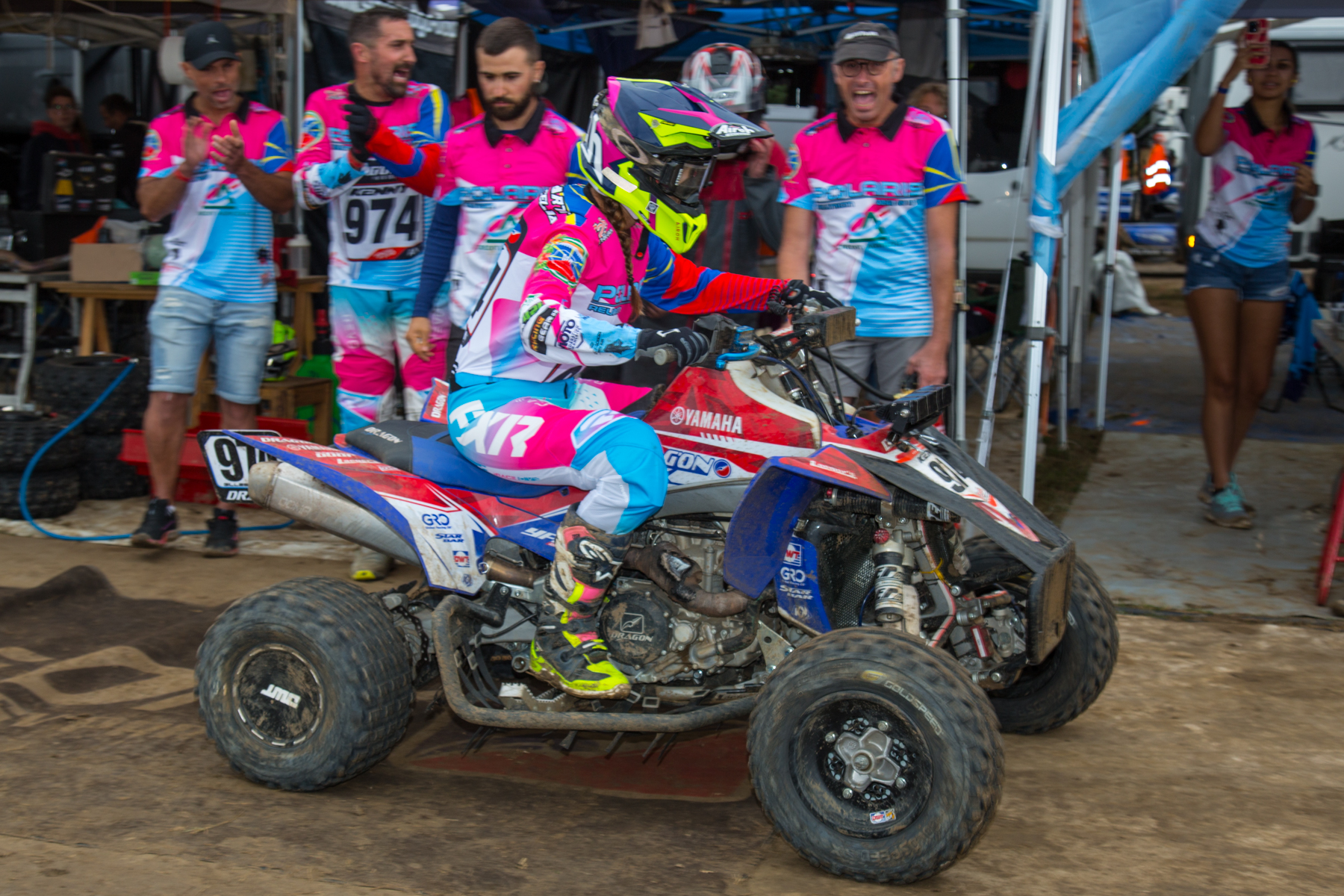
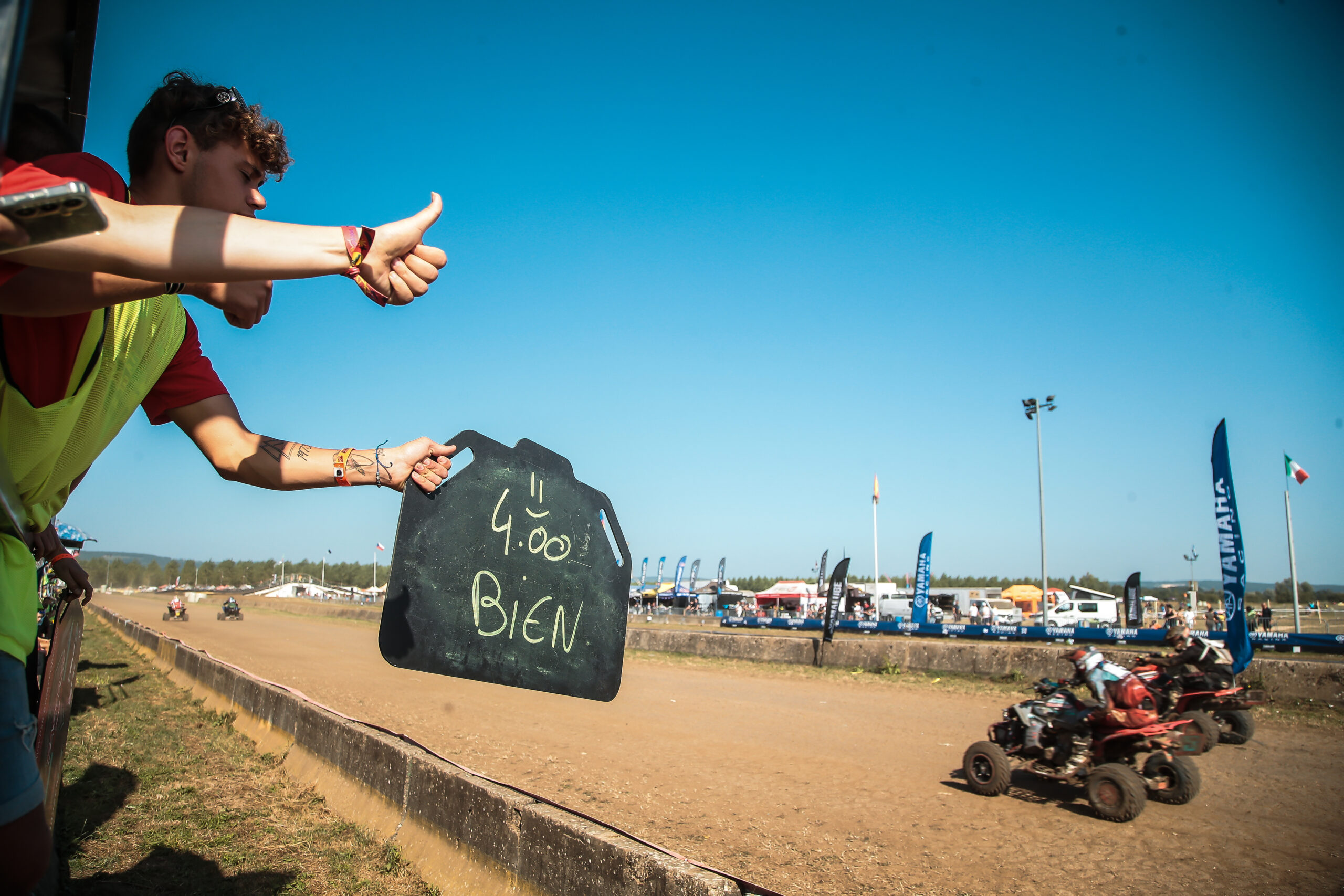
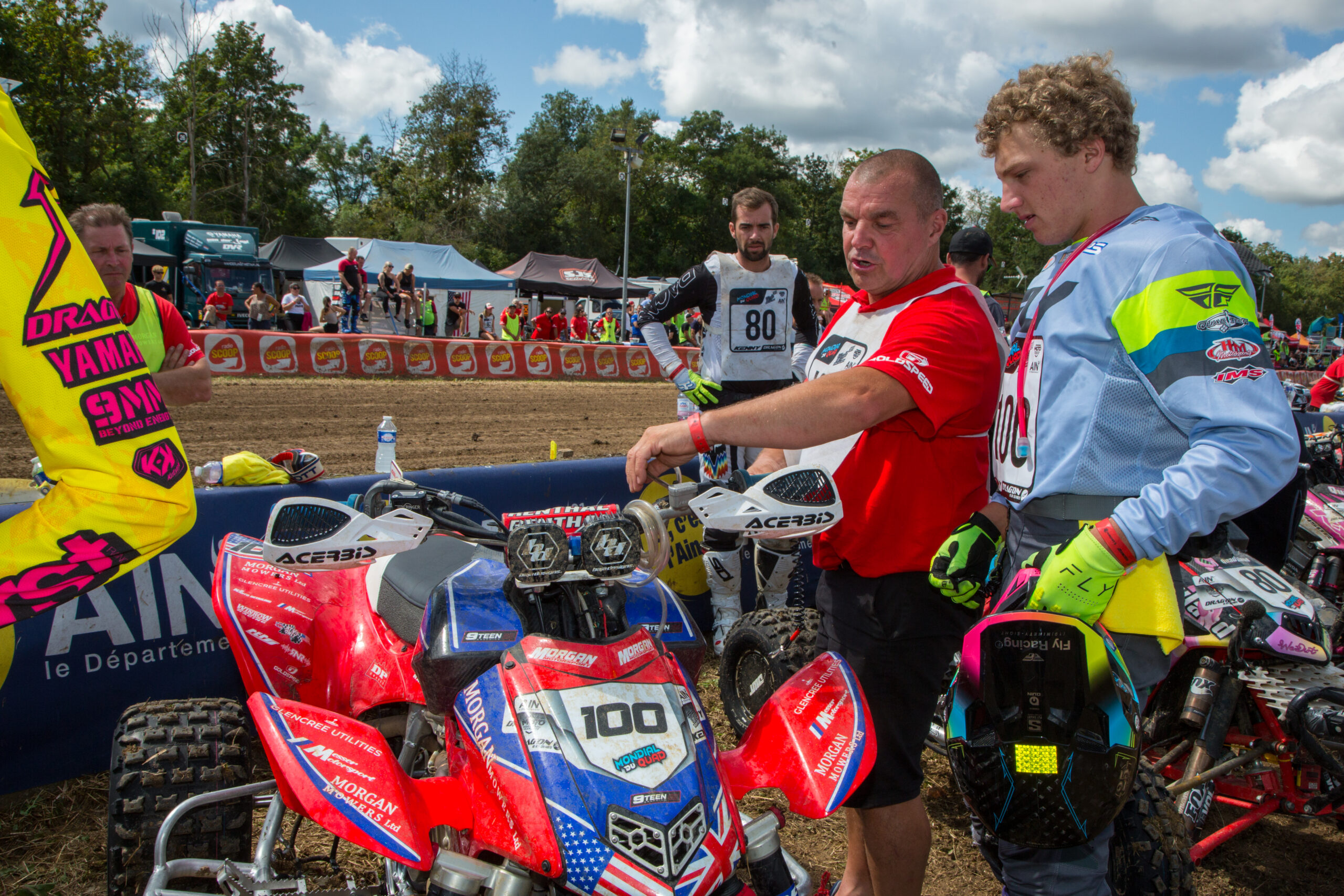
Proper preparation of the cars is essential to ensure that mechanical work is carried out under the best possible conditions and within the shortest possible time. Endurance racing is a team effort; the efficiency of the pit crew, mechanics, and signers plays a decisive role in performance.
“A race is won on the track and lost in the pits.”
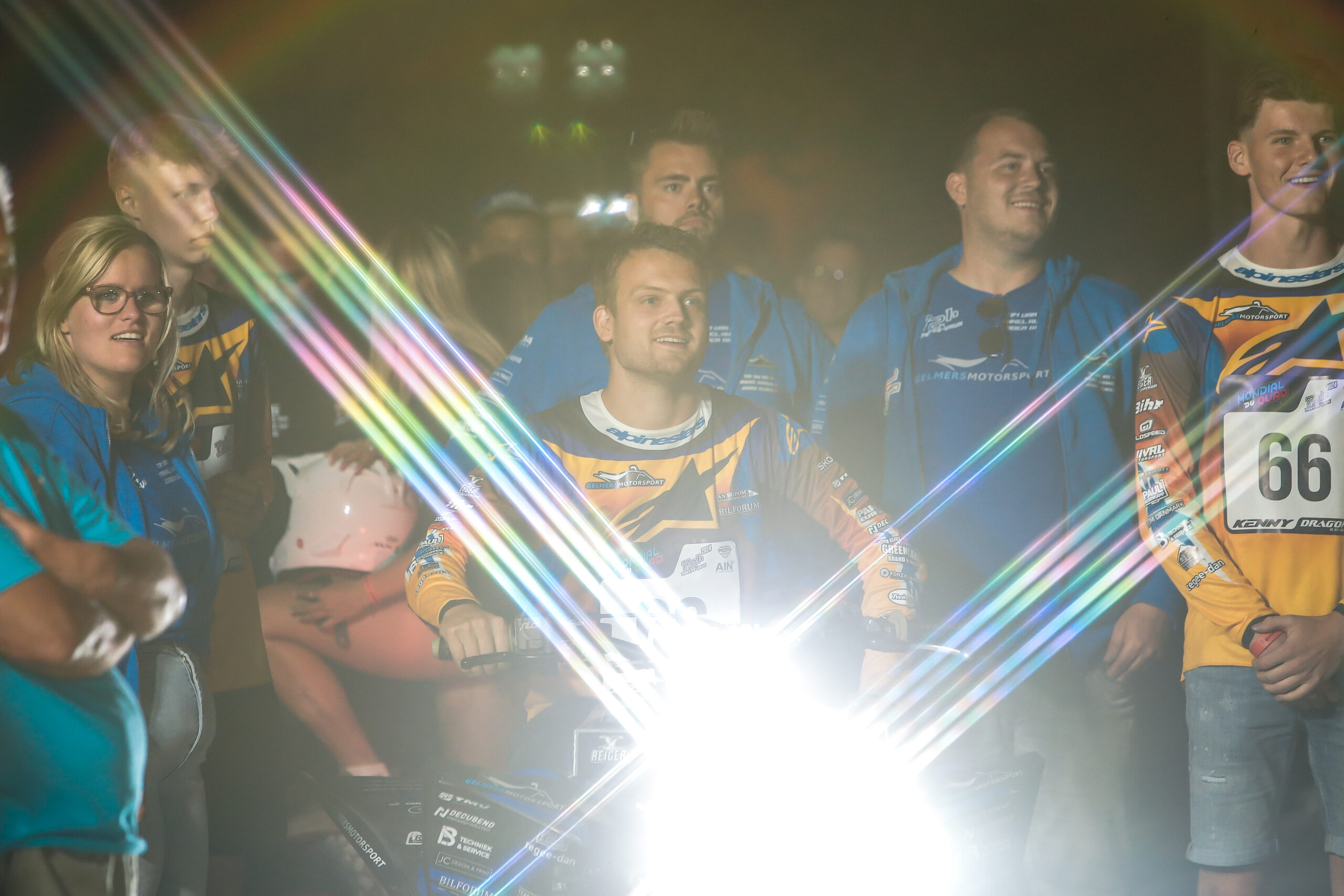
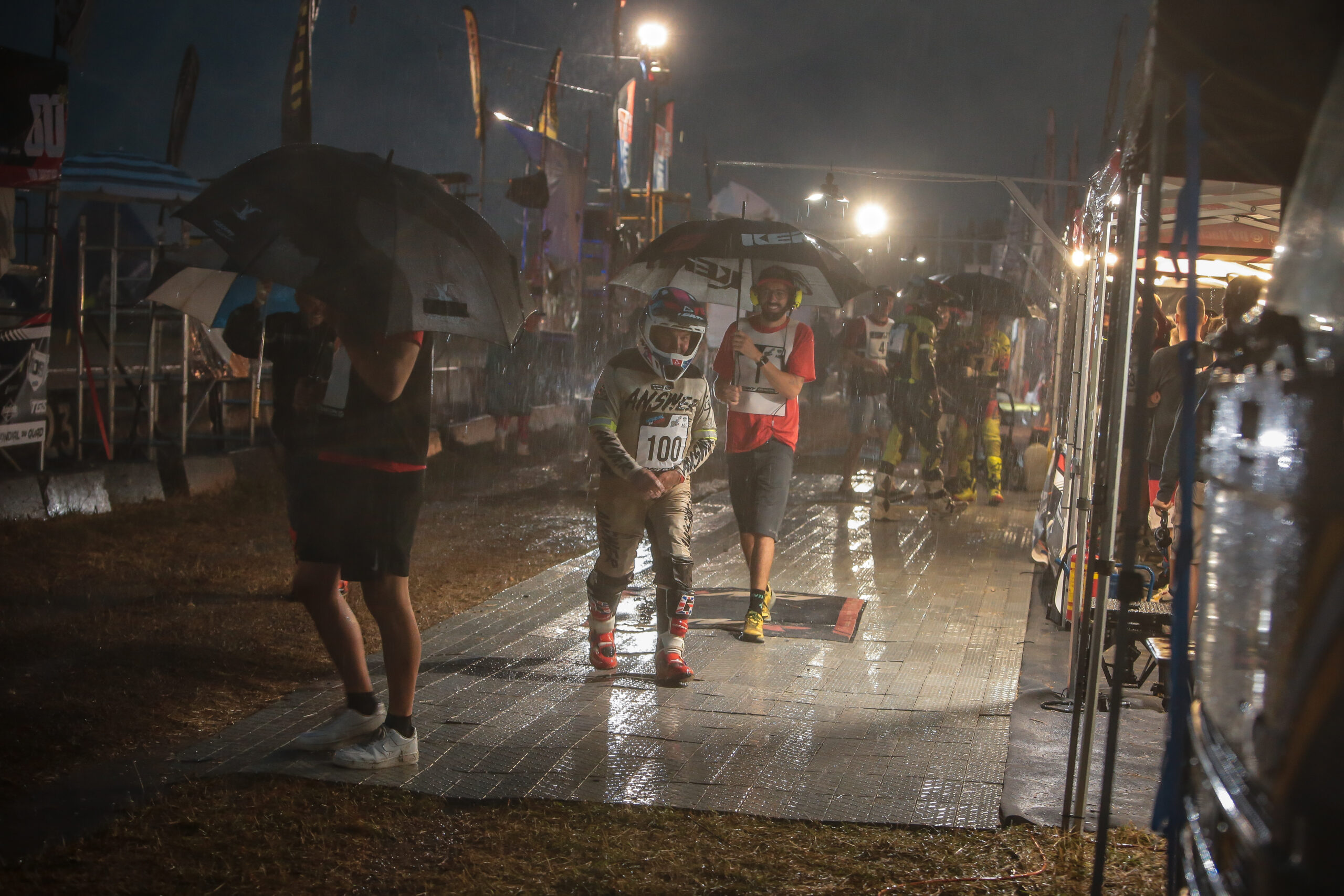
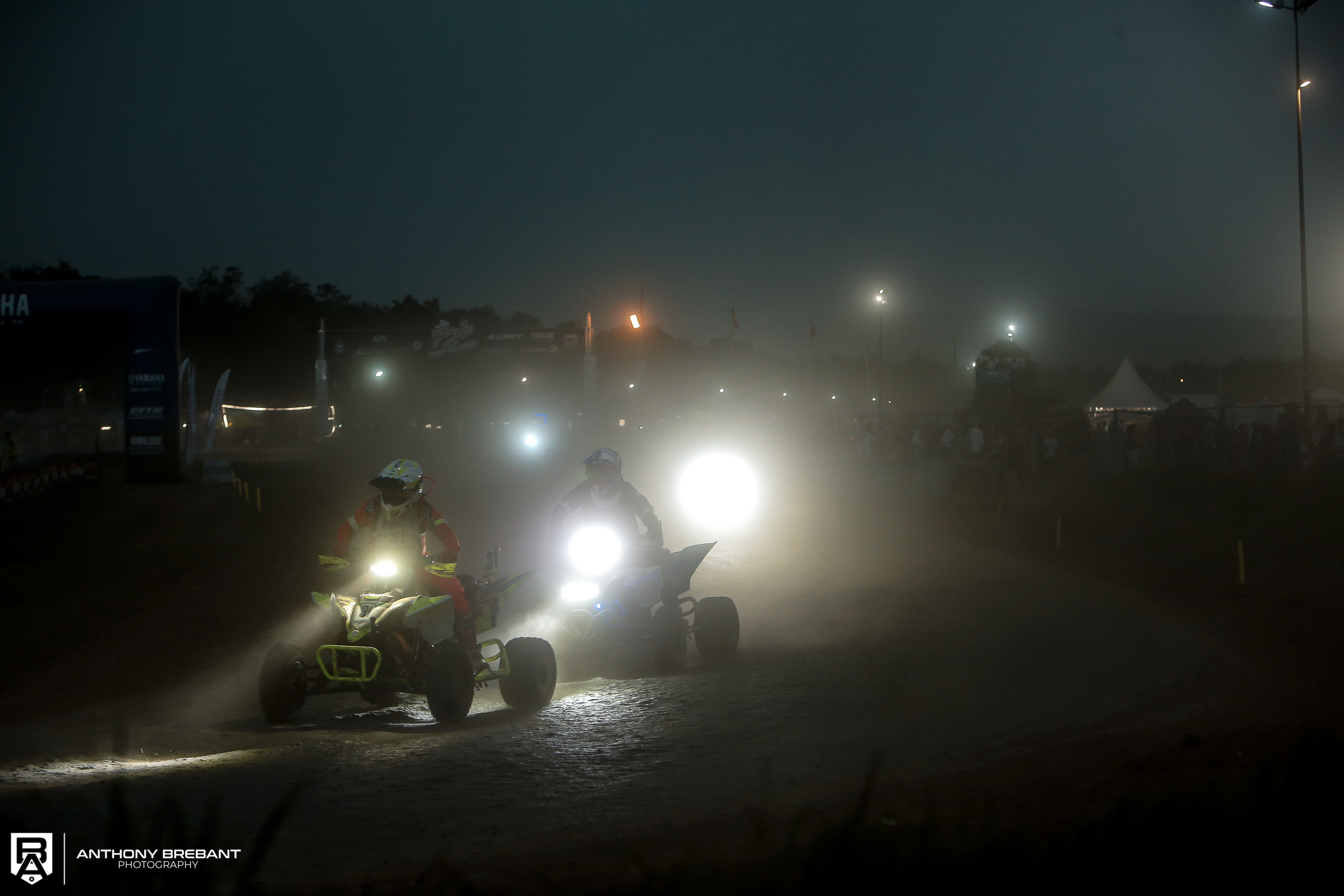
The night race lights up the entire meadow and, every year, brings its share of surprises and twists that can shake things up right at the start of the final—the third and final race on Sunday.
The final standings are determined by the combined results of the three heats
It is based on the fundamentals of endurance and divides the three races into three different durations: 4 hours, 3 hours and 30 minutes, and 4 hours and 30 minutes.
The 4.1-kilometer track winds through the meadow, featuring turns of varying sharpness, straightaways, and jumps.
Year after year, teams challenge themselves to win this 12-hour endurance race, which feels more like a long sprint. Indeed, as riding skills and quad performance continue to improve, it’s no longer a race of attrition. Riders must redouble their efforts and push through fatigue to prevail right up to the very end.
For several editions now, the race for the podium has come down to a matter of seconds.
Every braking maneuver, every acceleration, and every pass must be calculated—if not executed with millimeter precision. Pit stops are increasingly similar to those in major endurance races, such as the 24 Hours of Le Mans. As for the night session, it always holds surprises and twists in store.
Tactical and strategic decisions become more critical, the relay schedule is carefully planned, and everything is thoroughly thought out well in advance of the race as part of the preparation of the vehicles.
World Track
The 4.1-kilometer track winds through the meadow, featuring turns of varying sharpness, straightaways, and jumps.